Spinal Injury Project

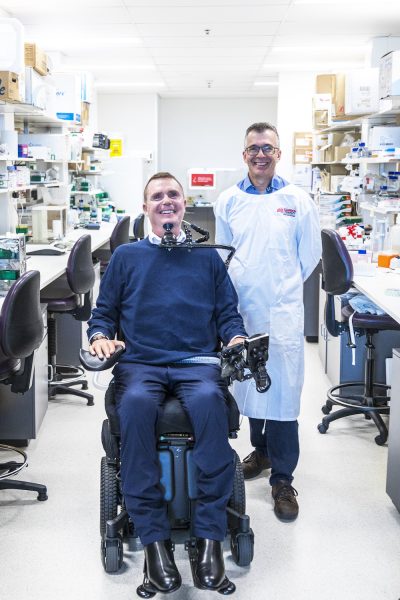
Partnering with world-leading researchers, Making Strides is proud to support the Spinal Injury Project (SIP), a groundbreaking initiative focused on restoring function and improving outcomes for people with spinal cord injuries.

What is the Spinal Injury Project?

The Spinal Injury Project, led by Griffith University’s Clem jones Centre of Neurobiology and supported by the Perry Cross Spinal Research Foundation, is developing a world-first therapy that aims to repair the spinal cord using a patient’s own cells.
Researchers are working to create 3D nerve “bridges” using specialised nasal cells (olfactory ensheathing cells) to regenerate damaged spinal tissue. This innovative approach could help restore movement, sensation, and independence for people living with paralysis.

A human clinical trial is scheduled to begin in 2025.

Where does Making Strides Fit in?

Making Strides is proud to be the official rehabilitation partner of the Spinal Injury Project.

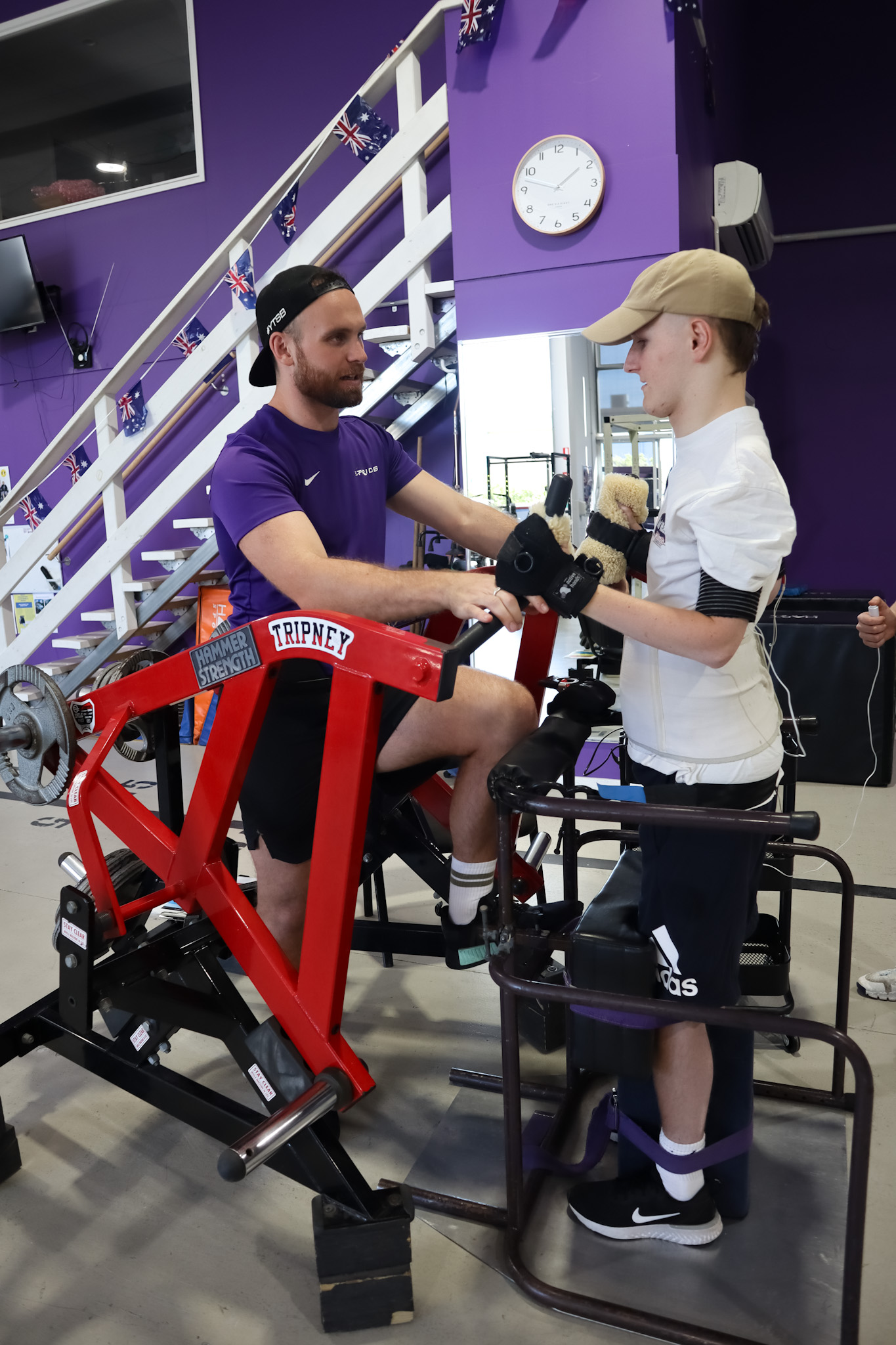
We provide physical therapy support for research participants and help ensure the rehabilitation side of the trial is delivered with expertise, care, and consistency. Our experienced team works closely with the SIP researchers to support every step of the participant journey—before, during, and after the trial.

This partnership represents our shared commitment to improving quality of life and long-term outcomes for those living with SCI.

Where can I learn more about the Spinal Injury Project?
To follow the latest updates, research progress, and trial information, visit:
 Griffith University – Spinal Injury Project 
OR
Perry Cross Spinal Research Foundation
You can also contact the team at Making Strides if you’d like to learn more about our role or what the project might mean for your rehabilitation journey.
Study Questions?

Eligibility criteria for the SIP clinical trial will be determined by the research team at Griffith University. Details will be released closer to the trial start date in 2025.

No, the treatment is currently in the research phase. The first human clinical trial is planned for 2025.

To learn more about the status of the trial, the current criteria to participate and to register your interest, please visit the Griffith University website. The webpage will be updated with an Expression of Interest link once recruitment begins. You can also email scitrial@griffith.edu.au with any questions.

Once news becomes available about the trial, we will email the database to advise them of the next steps.  The recruitment will all be done independently from the Foundation and Making Strides and conducted by Griffith University, which will host the Expression of Interest Application.

Yes, participants are remunerated for their time. There are also no out-of-pocket costs associated with the 2.5 hours of rehabilitation, 5-days per week over the one year period.

Rehabilitation is a key component of the study. Making Strides will deliver structured physical therapy before and after the treatment to support recovery and maximise outcomes. The Rehabilitation protocol is a 5-day-per-week protocol over one year.

While the SIP treatment is not yet available, we offer evidence-based neurological rehab programs—including functional training, FES, hydrotherapy, and exercise physiology—to support people living with SCI today.

The SIP in-person tour will provide you with an incredible insight into their groundbreaking and world-first research into curing paralysis. You will get exclusive access to the work the researchers are doing as part of The Spinal Injury Project (SIP) at the Menzies Health Institute Queensland (MHIQ) and the Griffith Institute for Drug Discovery (GRIDD) at Griffith University, where plans are underway to start a human clinical trial in 2025.
Meet the amazing research team and learn how their incredible discoveries have the potential to result in the first widely available treatment for spinal cord injury in the world.
CLICK HERE TO REGISTER FOR A LAB TOUR